


Unpacking the steep economic hurdles facing Bayview-Hunters Point legacy residents as City Hall pushes a “Right to Return
No one ever really talks about the southeastern curve of San Francisco. When outsiders picture the city, they see the silhouette of the Golden Gate, the cinematic crawl of the cable cars, or the gleaming glass of tech headquarters. They don’t see the steep, fog-swept hills of Hunters Point, or the vibrant, hard-fought community blocks of the Bayview.
But if you grew up here, this was the only San Francisco that mattered.
I was born across the bridge in East Oakland, where my parents were living at the time. But it was moving back across the water to live with my grandparents in the southeast sector that changed everything. That was where I fell in love with the city as a young child. It was a place of vibrant porch conversations, deep-rooted neighborhood pride, and a distinct cultural rhythm. It was where I discovered what home truly felt like.
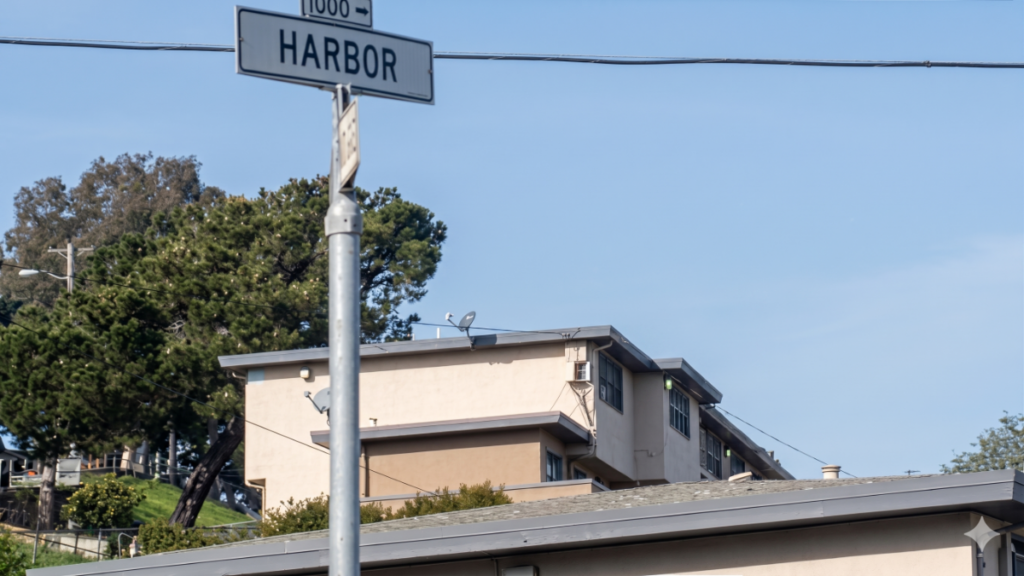
My family’s roots were literally baked into the neighborhood infrastructure. My grandmother owned a housing co-op right on Harbor Road in Hunters Point, a bustling anchor for working-class families. A few blocks away, my great-grandmother owned a house in the Bayview—a testament to a generation that migrated, stayed, and claimed a piece of the city for their descendants.
Eventually, life took me away. I relocated to the South, building a whole new life, a new business, and a completely new identity. Yet, the city never left my blood.
Every time I traveled back home to visit over the years, the shifts were jarring. The demographic fabric of the community was thinning out, changing drastically with each subsequent trip. It felt less like a natural transition and more like an erasure. If you want to understand the modern reality of San Francisco, you don’t look at corporate brochures; you watch the 2019 film The Last Black Man in San Francisco. That story—haunted by themes of displacement, the longing for a home that feels increasingly out of reach, and the visual ache of watching old neighborhoods transform at warp speed—is an entirely accurate reflection of the city today. The Black population of San Francisco, once a thriving force that shaped the city’s music, politics, and soul, has been squeezed down to roughly 5%.
Now, City Hall is trying to rewrite the ending to that movie.
Under the administration of Mayor Daniel Lurie, San Francisco is pitching a massive civic comeback, explicitly framing new housing developments as a way to welcome legacy residents back to the area. Through targeted local policies and the expansion of the “Right to Return” initiatives, officials claim they want to reverse decades of displacement.

But as the scaffolding goes up along the old industrial corridors and the hillsides, a heavy, familiar skepticism hangs over the community. The core conflict of this new era isn’t about the city’s intent—it is about the brutal reality of the math. When the wealth gap is this wide, and “affordable” housing is tied to an inflated area median income driven by tech sectors, can the legacy families who built the culture of Harbor Road actually afford to come home? Or is the city simply building a monument to a community it already pushed out?