


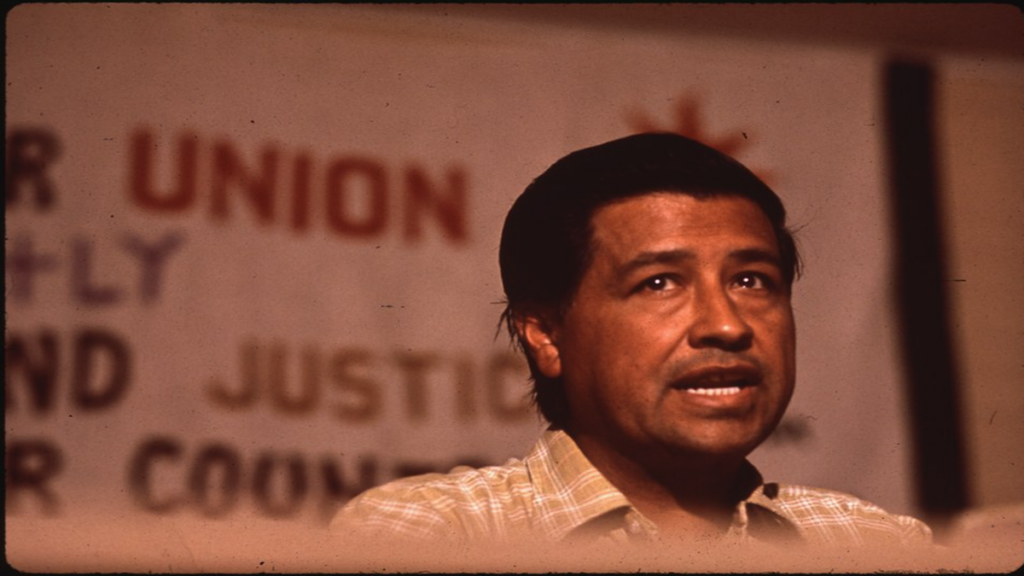
From San Francisco to San Diego, Cities Move to Rename Landmarks Amid Systemic Allegations
For decades, the name César Chávez has been synonymous with the soul of the American labor movement. Across California, his name graces over 65 landmarks—from major thoroughfares like César Chávez Avenue in Los Angeles to the iconic plaza just steps from the State Capitol in Sacramento. However, as of March 2026, a seismic shift is occurring. Following explosive revelations of systemic sexual abuse, cities from San Francisco to San Diego are now moving to strip the icon’s name from their streets and public squares.
The Allegations That Shook the Movement
The movement for erasure began on March 18, 2026, following a deeply reported investigation by The New York Times. The report detailed decades of sexual assault and the grooming of young girls within the United Farm Workers (UFW) movement. Perhaps most staggering was the revelation from labor icon Dolores Huerta, 95, who broke her 60-year silence to state that Chávez had pressured and forced himself on her, resulting in unwanted pregnancies she had kept secret to protect the movement.
The fallout was instantaneous. Within 48 hours, the political establishment that once lionized Chávez moved to distance itself from his likeness.
The Great Renaming: A State in Transition
The California Legislature has already moved to fast-track a bill to rename the March 31 state holiday. What was once “César Chávez Day” is set to become “Farmworkers Day,” shifting the focus from a singular man to the collective labor of the fields.
At the local level, the transition is more complex, costly, and bureaucratic:
- San Diego: Officials are reviewing the renaming of César Chávez Parkway in Barrio Logan, along with nearly a dozen parks and public buildings.
- Fresno: In a stunning reversal, Councilmember Miguel Arias—who co-sponsored the renaming of a 10-mile stretch to César Chávez Boulevard just two years ago—has introduced an ordinance to restore the street’s original names.
- Sacramento: Mayor Kevin McCarty has appointed a subcommittee to rename César Chávez Plaza, a historic hub for political activism in the heart of downtown.
- Bakersfield: Plans to rename H Street in honor of the labor leader have been officially scrapped.
- San Francisco: Supervisor Jackie Fielder is leading the charge to remove the name from institutions in the Mission District, including César Chávez Elementary School.
A New Focus: Dolores Huerta and the Collective
As statues are boxed in plywood and street signs are marked for removal, a new consensus is forming. Many activists and residents are calling for these locations to be renamed after Dolores Huerta, finally giving the “Si Se Puede” co-founder her solitary due.
However, some historians and local leaders, such as those in Austin and Los Angeles, are hesitant to replace one individual with another. The emerging trend leans toward “Movement-based” naming—honoring “The Martyrs of the Movement” or simply “Farmworkers Avenue”—to ensure that the recognition remains as durable as the labor it represents.
For the residents of these streets, the change is more than symbolic. It involves the tangible cost of updating business addresses, stationery, and digital maps. Yet, as the state grapples with this moral reckoning, the prevailing sentiment in city halls across California is clear: the “brand” of the man is over, but the dignity of the farmworker must remain.